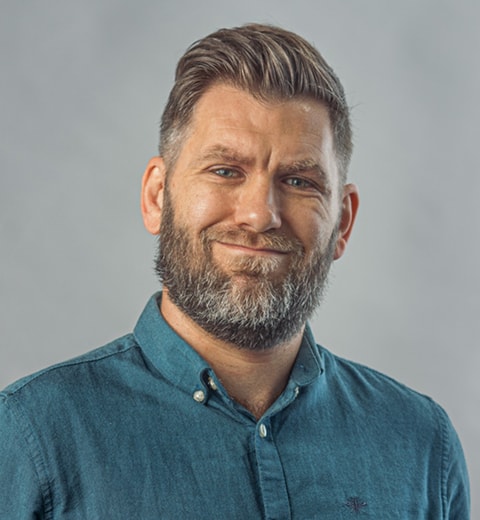
Ben from Geonetric ran a flat structure with no managers for over a decade. On paper, it looked efficient. Every person was doing client work rather than managing other people.
"For a period of time I think it worked well," Ben says. But the overhead showed up in other places. There was no playbook for performance management without managers, no established way to run promotions, and no clear mechanism for delivering difficult feedback. "It is hard in a peer-to-peer world for everyone to be expected to deliver hard feedback," Ben explains.
When Ben took over as CEO two years ago, he surveyed the team. The responses were direct. "I don't know if I'm doing well or not." "I wish I knew who my boss was." People valued the autonomy but needed structure around career progression, mentoring, and feedback.
They reintroduced managers and business units. Teams still have input into how work gets done and how things are prioritised, but there is now someone doing monthly check-ins, giving career guidance, and delivering the kind of honest feedback that peers wouldn't. "Nobody wanted the things that bad managers do," Ben says. "But they needed the things that good managers bring."
Geonetric has operated as a healthcare specialist for over 20 years. The temptation to diversify comes up every couple of years, but the specialism gives them an edge in competitive pitches and keeps the sales cycle manageable. AI adoption is growing, shaped by HIPAA compliance requirements that limit where tools can touch live data.
Listen to the full conversation with Ben on the Happy Teams podcast.