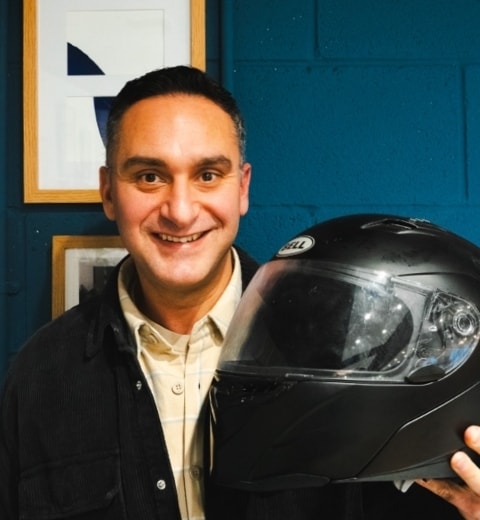
Spencer from Art and Science didn't set out to codify his agency's culture. A colleague noticed he kept using the same turns of phrase with clients and suggested they write them down. Over about a year, they captured two or three dozen, then workshopped them into 18 rules for creative problem solving.
Those rules now run through everything. Prospective clients reference them in meetings. Departing employees have quoted them back to Spencer when they felt the agency wasn't living up to its own standards. One rule, "never have a sixth rule," is their tongue-in-cheek way of saying don't work with difficult people. They've fired clients over it.
The 18th rule came later: be human. It grew out of the pandemic, when interpersonal communication got compressed into Slack messages and Zoom calls. "Somebody told me, Spence, every time you use that emoji, it terrifies us," he says. A winky face was being read as passive aggression. Feedback delivered over text was landing differently than intended. "It wasn't the what. It was the how."
Spencer now does quarterly one-on-ones with every team member, because the old method of reading the room disappeared with the office. "I used to walk through the entirety of the office to get to my desk," he says. "It was a vibe check."
On AI, his team no longer searches for stock imagery. They generate it. The traditional art director and copywriter pairing is, in his view, collapsing into a single creative role. And his analytics team can now vibe code working prototypes that previously took 18 months of failed handoffs between analysts and engineers.
Listen to the full conversation with Spencer on the Happy Teams podcast.